Make Magic With What You Already Have

Today we explore zero-budget creative photography, turning ordinary spaces and everyday objects into striking images without spending a cent. Whether you rely on a smartphone or a dusted-off camera, you’ll learn practical lighting tricks, DIY gear hacks, storytelling strategies, and community challenges that encourage you to share, learn, and grow alongside fellow creators who value resourcefulness over expensive equipment.

Light Without Buying Lights

Great photographs live or die by light, and you already have more of it than you think. Windows, lamps, phone screens, reflective walls, and even baking paper can shape mood and depth. With thoughtful placement, basic physics, and simple household materials, you can craft soft portraits, dramatic product images, or cinematic scenes that feel intentional, expressive, and delightfully cost-free.

Windows, Curtains, and Cardboard: Sculpting Softness

Treat a window like an enormous softbox by placing your subject near it and rotating them until shadows feel expressive rather than harsh. Hang a sheer curtain or baking paper for diffusion, and use a piece of cardboard as a flag to block spill. Step your subject closer for softer wrap, back away for contrasty edges, and notice how distance controls falloff without any paid gear.

Kitchen Foil and White Walls as Reflectors

The matte side of kitchen foil acts like a gentle reflector, while the shiny side creates punchy highlights. Tape foil to cardboard and angle it until cheekbones glow and eye sockets lift. No foil available? Use a white wall or sheet as fill. Remember, angle of incidence equals angle of reflection, so tiny shifts matter. Share your before-and-after experiments to help others learn visually.

Household Lamps and Color Temperatures

Mix a warm tungsten lamp with cool daylight for expressive color contrast, then adjust white balance to steer the mood. If LEDs flicker, choose slower shutter speeds or steady, non-pulsing bulbs. Craft DIY “gels” from colored cellophane or transparent folders for subtle tints. Place lamps behind plants for patterned shadows. Observe how direction, diffusion, and distance change emotional tone more than any expensive modifier.
DIY Tools and Clever Workarounds

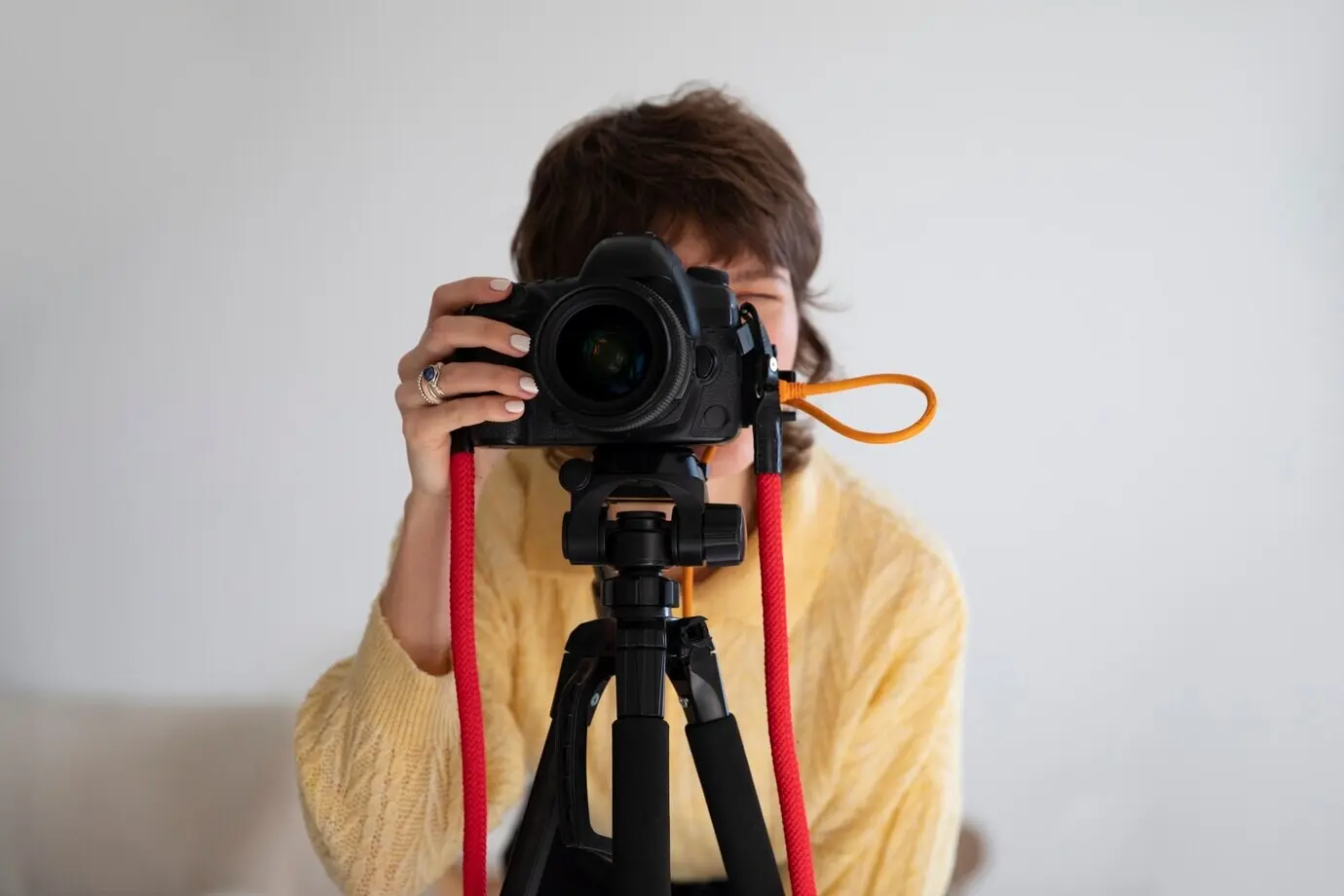
A steady camera and reliable framing do not require paid accessories. Books become tripods, a sock filled with rice stabilizes angles, and binder clips transform into phone mounts. Painter’s tape replaces gaffer tape in a pinch, while string tripods tame shake. With playful experimentation and safe handling, you’ll build a flexible kit that encourages exploration, quick iteration, and repeatable results without draining your wallet.

Stability from Books, Bags, and Elastic Bands

Stack books to the desired height, wedge the camera with a folded cloth, and fine-tune tilt using a coin under the lens. A tote bag filled with clothes acts like a moldable beanbag. Loop an elastic band over lens and phone to keep them aligned for behind-the-scenes video. A string tripod—anchored under your foot—adds tension for steadier frames while keeping your setup ultra-light and free.

Lens Experiments: Pinhole Caps and Freelensing

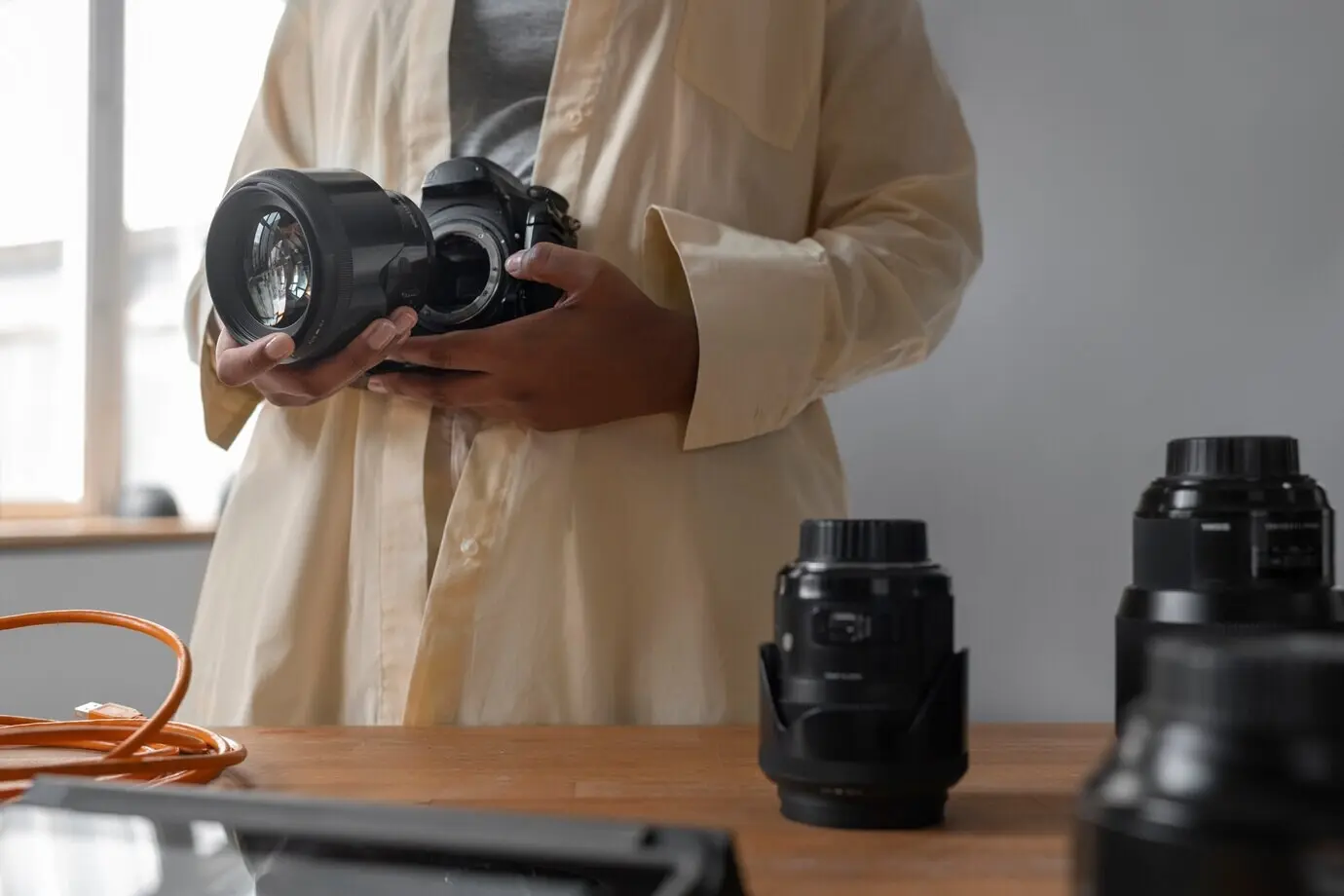
Drill a tiny hole in a spare body cap to create a dreamy pinhole look with infinite depth of field and beautiful softness. Try freelensing by holding a lens slightly off the mount for selective focus and light leaks; be mindful of dust and protect the sensor. Reverse a cheap lens for macro magic. Embrace happy accidents, document your process, and compare outcomes in comments.

Budget Rigs for Phones and Old Cameras

Build a phone stand from a bent paperclip or folded business card, and secure composition with a binder-clip clamp. Use a selfie-timer, intervalometer apps, or a wired earbud volume button as a shutter. Clamp backdrop paper to a broom between chairs for a seamless background. These nimble solutions invite you to shoot anywhere, iterate rapidly, and share behind-the-scenes setups that inspire others to try.
Compose Stories, Not Expenses

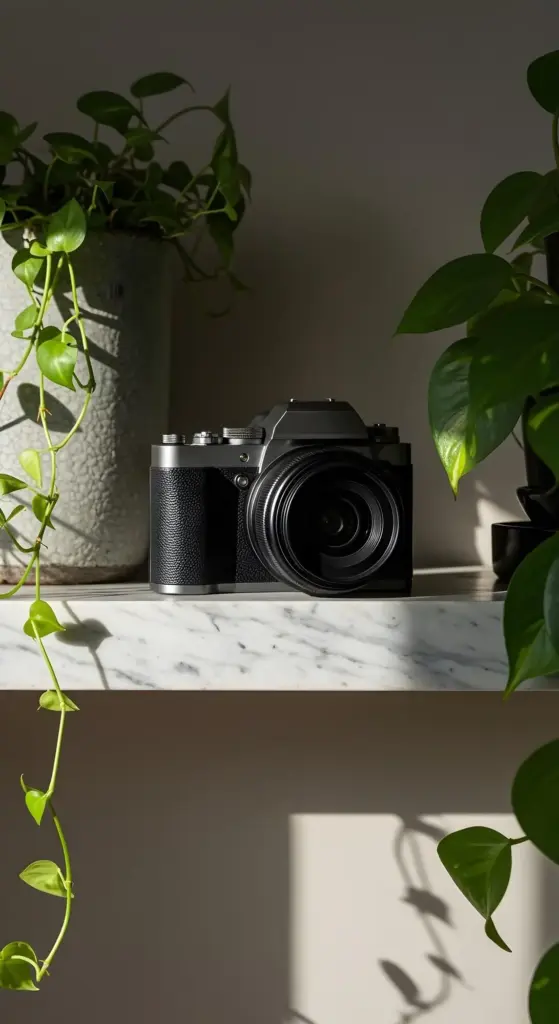
When funds are tight, composition and storytelling become your superpowers. Constraints sharpen vision: you’ll notice lines, textures, and gestures that money can’t buy. Use intentional framing, pacing, and sequence to lead eyes and emotions. Build tiny narratives with household objects, explore negative space for breathing room, and invite viewers to imagine what happened before and after your frame. Artful decisions cost nothing.
Set constraints: one window, one focal length, ten minutes. Suddenly, possibilities bloom. You begin to move your feet, change angles, and chase relationships between shapes. Treat the scene like a puzzle and hunt for quiet surprises. Limitations liberate focus, stripping away noise so your intent shines. Share your favorite constraint-based exercise, and challenge readers to interpret it differently in the next weekly showcase.
Color theory is free: pair complementary hues for energy, analogous palettes for calm, or go monochrome for mood. Texture-rich surfaces—peeling paint, knit sweaters, paper fibers—add tactile depth. Leave generous negative space to highlight your subject and guide attention. Use repetition and diagonals to suggest motion. These choices build rhythm and clarity that make modest scenes sing without any shiny gadgets or paid tools.

Locations Hiding in Plain Sight

You don’t need exotic travel to find cinematic backdrops. A stairwell’s geometry, a hallway’s vanishing lines, or sunlight raking across blinds can transform routine spaces. Scout your home at different hours, revisit sidewalks after rain, and look for textures that contrast your subject. Respect people and property, prioritize safety, and document how mundane places become extraordinary when framed with curiosity and patient observation.
Create a mini studio on a windowsill with a bedsheet backdrop and a cardboard reflector. A dining table becomes a product stage with overhead shooting from a chair and a secured broom crossbar. Tape baking paper to soften hard light, and swap backgrounds using gift wrap or craft paper. Photograph the same corner at morning, noon, and evening to study mood shifts and share discoveries.
Search for repeating columns, textured walls, and reflective panels. Blue hour adds cinematic ambience without extra gear. Shoot low for towering drama or high for graphic patterns. Use puddles near bus stops for mirror-world reflections. Always be respectful, avoid blocking pathways, and ask for permission where needed. Collect safe, accessible locations in a shared map and invite readers to add their city’s hidden gems.
After rain, puddles turn sidewalks into dreamscapes; tilt the camera to merge reflection and reality. Let wind animate fabrics or leaves for dynamic blur. Cast patterned shadows through a colander or fern for painterly spots. Stay mindful of footprints, wildlife, and fellow visitors. Post your simplest outdoor setup and a quick lighting sketch so others can recreate the feeling without specialized equipment or cost.

People and Self-Portraits Without a Crew
Building Trust, Comfort, and Expressive Poses

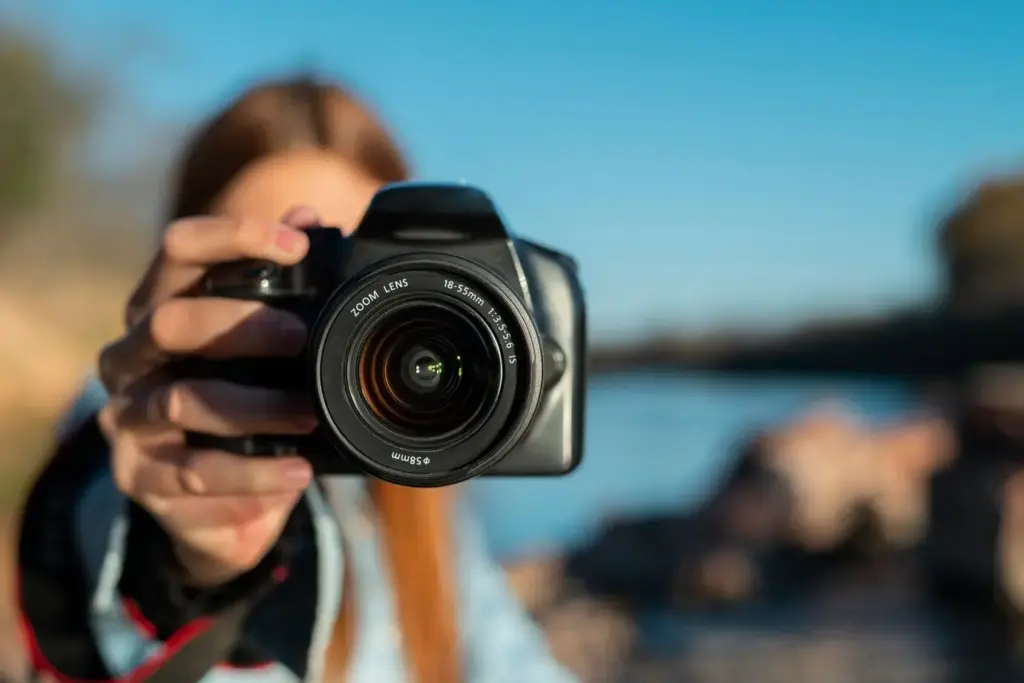
Start with conversation, then small, achievable poses that feel natural. Offer clear micro-prompts like “chin to shoulder” or “eyes to the light,” and celebrate good frames as you go. Share the back of the camera to collaborate. Keep sessions short, hydrate, and protect comfort with breaks. Free model release templates exist online; review them together to set expectations respectfully and document mutual understanding.

Self-Portraits with Timers, Mirrors, and Remotes

Use a stable surface, focus on a stand-in object, then switch to manual or lock focus before stepping into frame. A ten-second timer plus burst mode captures variations in expression. Mirrors multiply possibilities; track tape marks help maintain focus distance. Frame wider than needed and crop thoughtfully. Document your lighting diagram and share behind-the-scenes clips so others can repeat the setup in tiny spaces.

Props, Wardrobe, and Makeup from Everyday Drawers

Scarves, jackets, and thrifted jewelry shape character without expense. Aluminum foil crumpled behind a subject creates sparkling bokeh. A paperback becomes a framing device; a mug or flower anchors hands. Keep makeup simple, focus on skin sheen and catchlights. Invite collaborators to bring personal items that carry stories. Share a quick checklist so readers can assemble expressive looks from closets and kitchen drawers.

Edit, Share, and Grow for Free

Post-processing and outreach can be entirely costless yet highly effective. Free editors handle RAW files, color grading, and retouching with surprising finesse. Thoughtful exports, strong captions, and accessible alt text invite deeper connection. Participate in weekly prompts, ask for critique, and share process notes. Growth happens through consistency, generosity, and curiosity—not ad spend. Invite readers to subscribe and join collaborative challenges.
Lofatanexapo
Privacy Overview

This website uses cookies so that we can provide you with the best user experience possible. Cookie information is stored in your browser and performs functions such as recognising you when you return to our website and helping our team to understand which sections of the website you find most interesting and useful.